
One Day Tours Nicaragua: Your Ultimate Guide to Exploring During September and October
Wondering what the weather is like in Nicaragua in September and October? Discover how to maximize your trip with the best one day tours Nicaragua offers.
If you are planning a trip to Central America, you might be asking yourself: What is the weather like in Nicaragua in September and October? If you do a quick search online, some traditional travel guides might tell you to avoid these months entirely because it is the peak of the rainy season. They paint a picture of non-stop downpours and washed-out roads.
But here is the secret that luxury travelers, smart backpackers, and local experts know: visiting during these months can actually be the most rewarding experience of the year—if you know how to plan your days.
Imagine having the misty trails of a volcanic cloud forest completely to yourself, watching active lava craters glow without crowds of tourists, and booking premium excursions at a fraction of the dry-season cost. The secret to unlocking the country during this emerald window comes down to choosing the right One Day Tours Nicaragua offers, allowing you to maximize sunny mornings and enjoy cozy, cultural afternoons.
What is the Weather Truly Like in Nicaragua in September and October?
To understand the weather during this time, you have to look past the generic labels. Yes, September and October are part of the tropical green season, and October is statistically the wettest month of the year. However, tropical rain does not behave the same way as a gray, gloomy winter storm in North America or Europe.
The Daily Tropical Rhythm During September and October, a typical day follows a highly predictable pattern. The mornings usually open with clear blue skies, bright sunshine, and crisp air. Temperatures stay warm and tropical, hovering between 80°F and 90°F (26°C to 32°C) across the lowlands.
As the afternoon approaches—usually between 2:00 PM and 4:00 PM—the sky darkens, and the daily rain arrives. These showers are often intense, short thunderstorms that roll through quickly. They dump water for an hour or two, cool down the tropical heat, and then clear up by the evening, leaving behind clean air and a dramatic sunset.
Why Local Experts Love the Green Season While the rainy season might sound intimidating at first, it brings massive benefits that you cannot experience during the hot, dusty dry season:
Breathtaking Landscapes: The countryside completely transforms. The valleys turn a vivid, brilliant green, the wildflowers bloom, and local waterfalls crash with incredible force.
Fewer Crowds: You can explore world-class historic sites, crater lakes, and national parks without lines or large tour groups blocking your view.
Incredible Travel Value: Because international travel numbers drop, premium accommodations, boutique eco-lodges, and local experiences offer significant off-season discounts.
The strategy for a perfect trip during these months is simple: Wake up early, complete your outdoor exploration before noon, and dedicate your afternoons to historic architecture, museums, and indoor cultural discoveries.
The Best One Day Tours Nicaragua Offers to Beat the Rain
By focusing on curated day trips, you can design a flexible itinerary that adapts smoothly to the daily weather patterns. If you want to experience the country's highlights in a compressed timeframe, our structured itineraries ensure you catch the clear morning windows for outdoor adventures before the afternoon showers roll in.
Here are the top single-day itineraries that combine nature, history, and culture while keeping you dry and comfortable.
- 1. The Granada City Tour: Culture, Architecture, and Lake Adventures Granada is the oldest European-founded colonial city on mainland America, and its vibrant, colorful streets look spectacular against the lush backdrop of the green season. A comprehensive Granada City Tour is arguably the safest and most satisfying choice during September and October because it blends outdoor historical sightseeing with plenty of indoor cover.
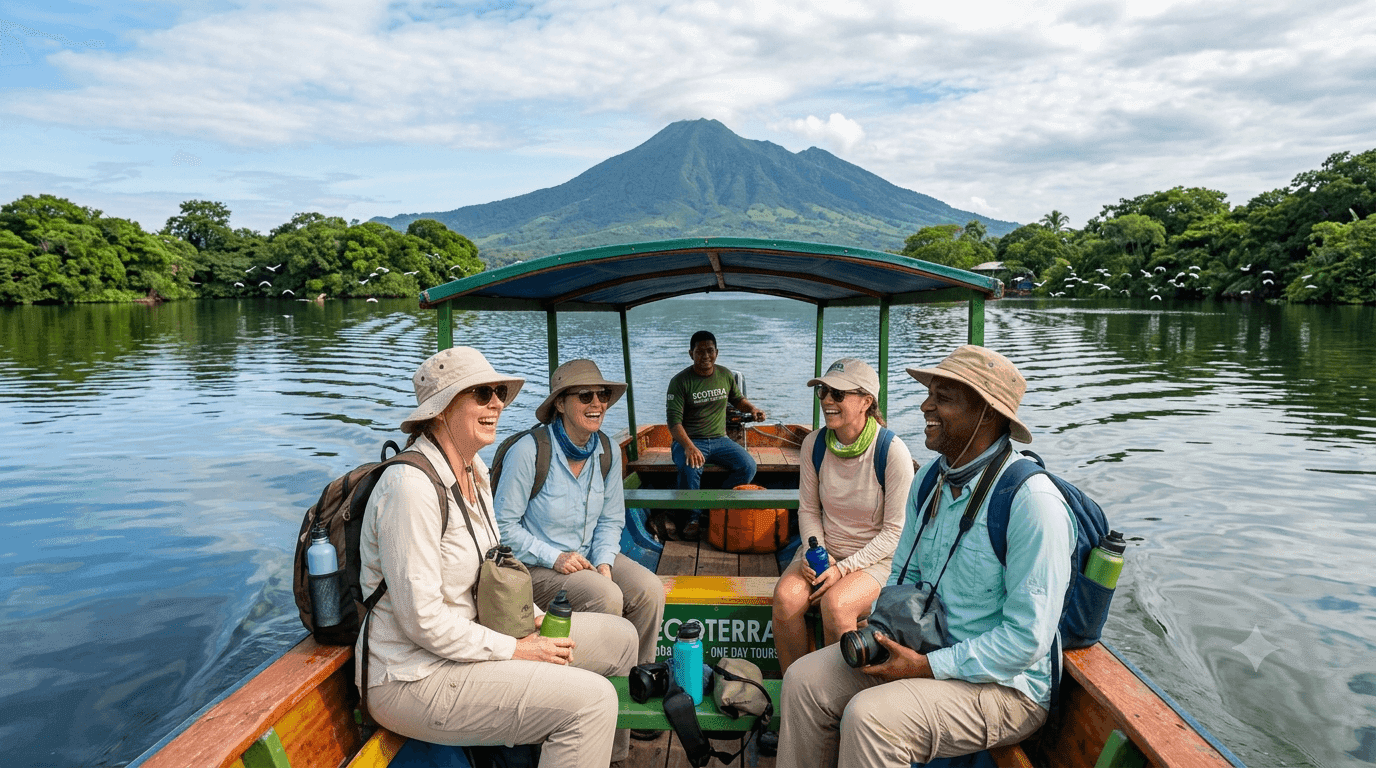
The Morning Strategy: Start early with a stroll through the iconic Central Park and climb the bell tower of the Iglesia de la Merced. The morning sun offers clear, panoramic views of the city's terracotta rooftops and the distant Mombacho Volcano. Following the city walk, take a covered boat cruise through the nearby Isletas de Granada—a collection of 365 small volcanic islands on Lake Nicaragua. The lake is calm, the morning breeze is refreshing, and the surrounding flora is at its peak vibrancy.
The Afternoon Plan: When the afternoon rain starts to approach, move indoors. Explore the peaceful courtyards of the San Francisco Convent Museum, or sit down at a local café along Calle La Calzada to sample a cold glass of Cacao or traditional Vigorón. The colonial buildings feature deep, covered corridors (corredores) designed specifically to keep pedestrians dry during tropical showers.
- 2. The Masaya City and Volcano Experience No trip to Nicaragua is complete without witnessing the raw power of its volcanic backbone. A day trip focused on Masaya city and its surrounding attractions offers an incredible mix of traditional artisan culture and volcanic geology.
The Artisan Markets: Spend your morning exploring the famous Mercado de Artesanías (Artisan Market) in Masaya. Housed inside a historic, castle-like building, this market is completely covered, making it an excellent refuge if the clouds roll in early. It is the absolute best spot in the country to purchase hand-woven hammocks, local leather goods, and intricate wood carvings directly from local craftsmen.
The Night Volcano Experience: Masaya Volcano National Park is unique because it features one of the few active volcanoes in the world where you can drive right up to the lip of the crater. During September and October, the clouds and moisture can create an atmospheric mist around the summit. At dusk, as the darkness settles, you can peer directly down into the Santiago crater to witness the glowing, churning red magma pool inside. The dramatic green-season clouds often reflect the orange glow of the lava, creating a surreal and unforgettable visual.
- 3. The Managua City Tour: Exploring the Nation's Capital While many travelers pass directly through the capital, a structured Managua City Tour offers deep insight into the country's complex political, geological, and cultural history. Because Managua features massive museums, cultural centers, and covered historical sites, it is a highly resilient itinerary against rainy weather.
Historical Landmarks: Visit the Plaza de la Revolución, where you can view the striking ruins of the Old Cathedral of Managua, left standing as a monument after the devastating 1972 earthquake. Nearby, the grand National Palace of Culture features massive covered galleries that house the National Museum, displaying pre-Columbian pottery, ancient statues, and historical exhibits.
The New Malecon: Spend your late afternoon or evening along the Salvador Allende Malecon, a beautifully developed boardwalk on the shores of Lake Managua (Lake Xolotlán). The area features plenty of lakeside restaurants, covered pavilions, and family-friendly attractions where you can watch the rain roll across the lake from the safety of a cozy table while enjoying traditional Nicaraguan cuisine.
Seamless Itineraries for Green Season Day TripsTo help you visualize how to structure your time, here is an optimized layout of how these single-day experiences operate during the September and October weather patterns: ** 7:30 AM** – Morning Departure:Clear, Sunny Windows.Depart early from your hotel. The morning air is crisp, the sun is shining, and visibility is at its absolute best for capturing photos of the volcanic peaks. 9:00 AM – Active Outdoor Exploration:Volcano Hikes & Boat Cruises.Conduct your heavy outdoor activities first. Hike the crater trails of Mombacho Volcano or take a boat cruise through the Isletas of Granada. Enjoy the lush, emerald scenery before the heat builds 12:30 PM – Traditional Lunch & Cultural Markets:Covered Refuges.Move indoors to an open-air colonial restaurant or explore the covered paths of the Masaya Artisan Market. Enjoy a traditional lunch of grilled meat, gallo pinto, and fried plantains. 03:00 PM – Afternoon Museums & Coffee:Beating the Afternoon Rain.As the daily tropical shower arrives, relax inside a historic museum or boutique coffee shop. Watch the rain clear the tropical air from a covered colonial corridor. 05:30 PM – Sunset Views & Glowing Lava:Evening Clearance.The rain clears out, leaving behind dramatic clouds and intense orange sunsets. Head to the rim of the active Masaya Volcano to watch the molten lava glow against the dark sky.
Frequently Asked Questions About Nicaragua Travel in Fall Is it safe to travel around Nicaragua during the wettest months of September and October? Yes, it is safe. The main highways connecting major tourist hubs like Managua, Masaya, Granada, and San Jorge are fully paved, modern, and well-maintained. While some secondary dirt roads in deeply rural areas or surf beaches can become muddy, standard tour routes remain completely open and accessible.
Does it rain all day long during September and October?
No, all-day rain is quite rare. It typically rains for one to two hours in the late afternoon or overnight. The rest of the day features a mix of bright morning sunshine and partly cloudy skies.
Are the local businesses, restaurants, and national parks open during the green season? Absolutely. Because tourism slows down, national parks like Masaya Volcano and Mombacho are much quieter, giving you a more peaceful and intimate experience. Restaurants and local shops stay open to serve both locals and smart off-season travelers.
Can I still see the glowing lava at Masaya Volcano if it rains?
Yes. The magma pool inside Masaya Volcano is constantly active and visible year-round. While heavy fog or dense low clouds can occasionally lower visibility for a few minutes, the glowing lava is highly visible at night, and the moisture can actually create a stunning, dramatic mist effect over the crater.
Why should I choose a guided day tour instead of driving myself during these months? Local drivers and professional guides understand the regional microclimates and road conditions perfectly. If a sudden afternoon storm causes a delay, a professional guide can seamlessly adjust the itinerary—moving an indoor museum visit forward or shifting an outdoor activity—to keep you comfortable, dry, and safe.
Ready to Explore Nicaragua the Smart Way? Don't let standard travel warnings keep you from experiencing the magic of Central America's green season. With vibrant landscapes, lower prices, and peaceful destinations, September and October are fantastic months for an authentic adventure.
By utilizing strategically timed day trips, you can explore historic colonial cities, vibrant artisan cultures, and dramatic active volcanoes while staying ahead of the weather. Check out our comprehensive guide to the Top Destinations in Nicaragua: 5 Places You Absolutely Cannot Miss to start mapping out your upcoming tropical getaway!
Ready to Explore Nicaragua?
Browse our tours and travel packages designed by local experts.